Most shoulders improve without it.
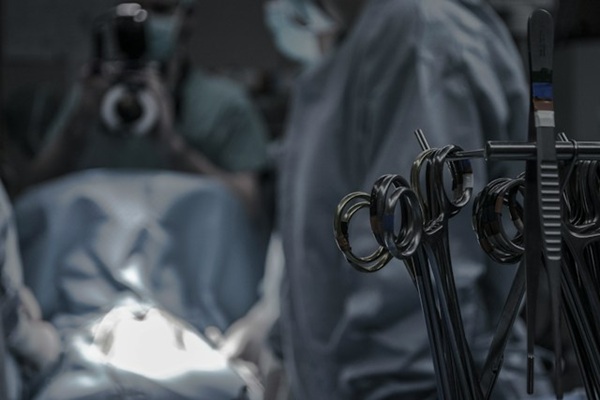
Arthroscopic surgery where suitable.
Shoulder surgery
Shoulder Surgery and Replacement in Ahmedabad
By Dr. Kalpesh C. Patel · Consultant Orthopaedic Surgeon
Treatment for rotator cuff tears, recurrent dislocation, frozen shoulder and arthritis — from injection to replacement.
M.S. Orthopaedics
Arthroplasty fellowship, Taiwan
Practising since 2016
Practising in Ahmedabad
Your surgeon
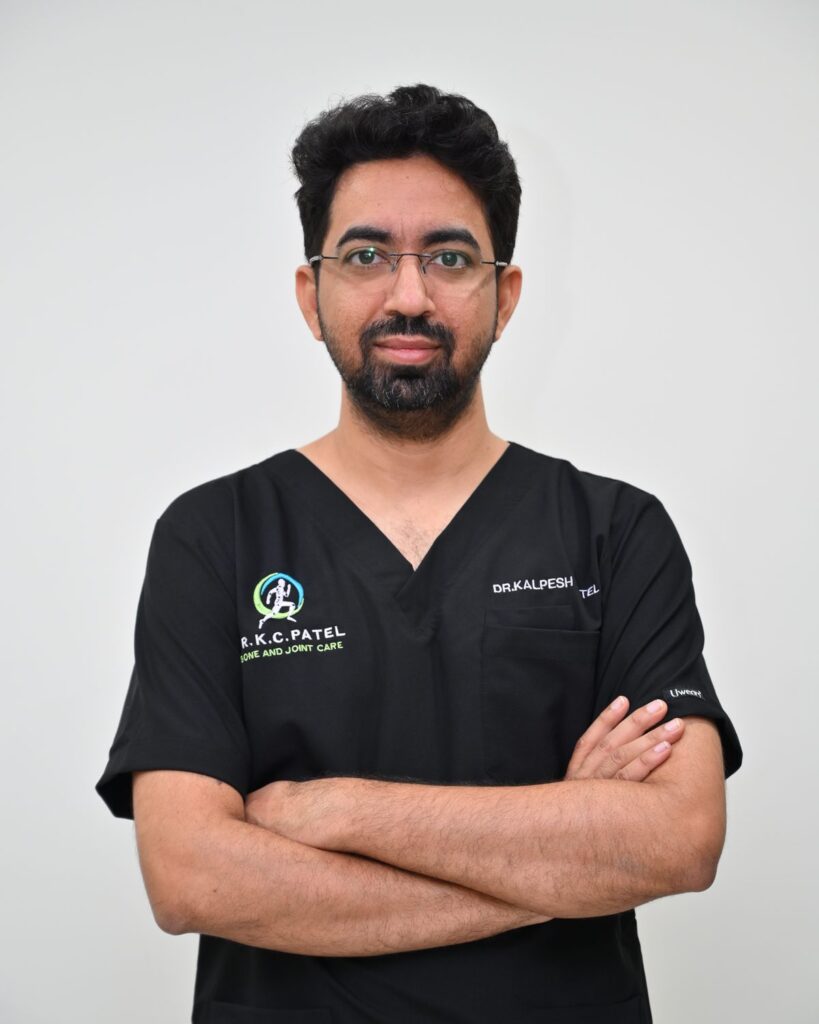
Meet Dr. Kalpesh C. Patel
Consultant Joint Replacement & Shoulder Surgeon
Dr. Patel trained in arthroplasty at Chang Gung Memorial Hospital in Taiwan and holds fellowships in revision arthroplasty and shoulder surgery. He has practised in Ahmedabad since 2016, with a focus on knee and hip replacement — including robotic-assisted and revision surgery.
M.B.B.S.
M.S. Orthopaedics
International Fellowship · Joint Replacement, Taiwan
Fellowship · Shoulder & Sports Injury, Pune
Years in orthopaedics
Fellowships
Peer-reviewed publications
Understanding shoulder problems
Most shoulders improve without replacement
Shoulder pain has many causes, and most respond to targeted physiotherapy, injection or keyhole surgery. Replacement is reserved for advanced arthritis or irreparable cuff damage where nothing else will restore function.
The first step is finding the cause — tendon, instability, stiffness or arthritis — because each is treated differently.
When to book an appointment
- Night pain lying on the shoulder
- Weakness lifting the arm overhead
- Repeated dislocation
- Stiffness that will not settle
When replacement is considered
- Advanced shoulder arthritis
- Rotator cuff damage that cannot be repaired
- When other treatments no longer restore function
Conditions treated
Rotator Cuff Repair
Arthroscopic repair of torn tendons, with a staged strengthening programme.
Shoulder Instability
Stabilisation for recurrent dislocation in contact and overhead athletes.
Frozen Shoulder
Structured non-surgical management, with release only if stiffness persists.
Shoulder Replacement
Anatomic or reverse replacement for advanced arthritis or cuff-deficient joints.
Before surgery
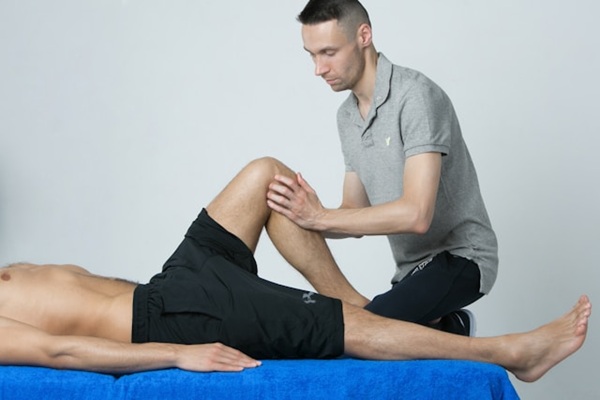
When surgery isn’t the answer yet
Most shoulder problems are treated without an operation first. Surgery is considered when pain or weakness persists despite the right programme.
Targeted physiotherapy
Injection, in selected cases
Activity changes while it settles
Pain relief medicines, as prescribed
Risks and limitations
Risks, complications and limitations
All shoulder surgery carries risk. Your individual risks are discussed with you before any decision is made.
Infection
Uncommon, but taken seriously before, during and after surgery.
Stiffness
Some shoulders stay stiff for a while. Supervised movement is the main defence.
Re-tear or recurrence
A repaired tendon can tear again, or instability can return.
Implant wear over time
After replacement, components can wear or loosen over many years.
Recovery
What recovery looks like
Timelines vary between patients. This is the typical path.
Assessment and planning
Examination and imaging to find the cause — and whether surgery is needed at all.
Protection
Sling protection and gentle assisted movement.
Movement restored
Range of movement restored under supervision.
Strengthening
Progressive strengthening begins.
Return to activity
Return to overhead and loaded activity.
Why Dr. Patel
Why patients choose Dr. Patel for shoulder care
Shoulder surgery fellowship
Fellowship training dedicated to shoulder surgery.
Keyhole where possible
Arthroscopic repair for tendon and instability problems where suitable.
Fellowship-trained
Arthroplasty training at Chang Gung Memorial Hospital, Taiwan.
Honest advice
Including when surgery isn’t the right answer yet.
Published research
Five peer-reviewed publications in orthopaedics.
Ahmedabad and Gandhinagar
Consulting at Health1 Thaltej, Ahmedabad and SGS Health1 Kudasan, Gandhinagar.
Common questions
Questions patients ask
Still unsure? Bring your questions to the consultation — that is what it is for.
No. Many partial tears do well with physiotherapy. Surgery is for tears causing persistent weakness or pain.
Usually 4–6 weeks after repair, depending on the tear and the repair performed.
No. It is self-limiting but slow — often 12–18 months. Treatment shortens and eases that course.
A design used when the rotator cuff cannot be repaired, allowing the deltoid to power the arm instead.
Book a consultation
See Dr. Patel in Ahmedabad or Gandhinagar
A consultation tells you where you stand — including whether you need surgery at all.
AhmedabadHealth1 Super Speciality Hospital, Shilaj Circle, Thaltej
10:00 AM – 12:00 PM & 4:00 – 6:00 PM, by prior appointment
GandhinagarSGS Health1 Hospital, Pramukh Anand Orbit Mall, Kudasan
8:00 – 10:00 AM, by prior appointment
OPD visitsVijapur · Idar · Himmatnagar · Visnagar · Mehsana
AppointmentsBy prior appointment only — call +91 75678 70528 to confirm the day.
How to book
- Call or WhatsApp the clinic.
- Choose Ahmedabad or Gandhinagar, and a time that suits you.
- Bring previous X-rays, reports and a list of your medicines.