Kept for as long as it works for you.
Not the first thing offered.
Joint preservation
Joint Preservation in Ahmedabad
By Dr. Kalpesh C. Patel · Consultant Orthopaedic Surgeon
Joint replacement when it is needed, joint preservation whenever it is appropriate — treatment that protects your own joint for as long as it can serve you.
M.S. Orthopaedics
Arthroplasty fellowship, Taiwan
Practising since 2016
Practising in Ahmedabad
Your surgeon
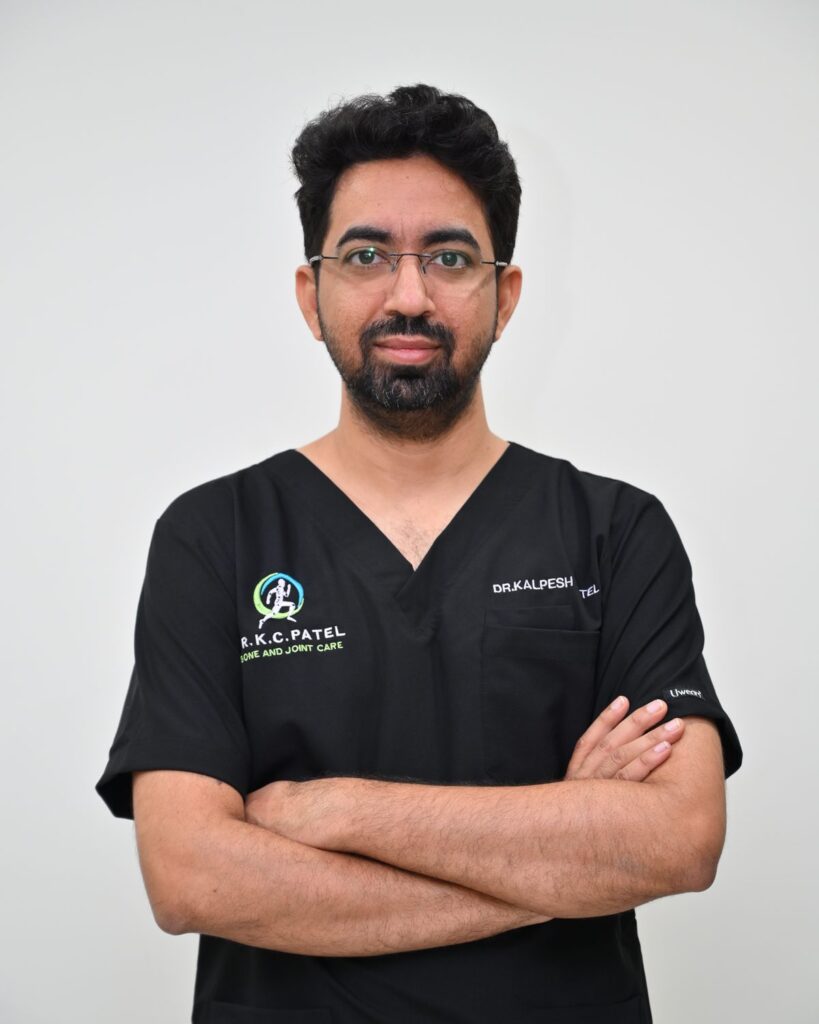
Meet Dr. Kalpesh C. Patel
Consultant Joint Replacement & Shoulder Surgeon
Dr. Patel trained in arthroplasty at Chang Gung Memorial Hospital in Taiwan and holds fellowships in revision arthroplasty and shoulder surgery. He has practised in Ahmedabad since 2016, with a focus on knee and hip replacement — including robotic-assisted and revision surgery.
M.B.B.S.
M.S. Orthopaedics
International Fellowship · Joint Replacement, Taiwan
Fellowship · Shoulder & Sports Injury, Pune
Years in orthopaedics
Fellowships
Peer-reviewed publications
Understanding the approach
What is joint preservation?
Joint preservation covers everything done to keep your own joint working, rather than replacing it. That ranges from strengthening and weight management through to surgery that repairs cartilage, repairs a meniscus, or realigns a limb so that the worn side of the joint carries less load.
It suits early and moderate arthritis, injuries in younger patients, and anyone whose joint is worn in one area while the rest is healthy. It does not suit a joint that is worn out across the board — there, replacement is the honest answer.
Who preservation may suit
- Early or moderate arthritis
- Younger, active patients
- Wear limited to one part of the knee
- Cartilage or meniscus injury after sport
When replacement is the better answer
- Arthritis across the whole joint
- Night pain and pain at rest that no longer settles
- Significant fixed deformity or stiffness
- Preservation already tried without lasting benefit
How the joint is protected
Ways to protect your own joint
Most patients need the first three. Surgery is for the joints where they are not enough.
Load and activity
Weight management and changing how you load the joint reduce pain more reliably than any injection.
Strengthening and physiotherapy
Strong muscles around a joint take load off the worn surface and improve day-to-day function.
Injections
Hyaluronic acid or PRP can help some patients with early arthritis. They treat symptoms rather than reversing the wear, and are not right for every knee.
Cartilage procedures
Damaged cartilage can be repaired or encouraged to heal in selected, mainly younger, patients.
Meniscus repair
Repairing a torn meniscus preserves the cushion in the knee; removing it early makes later arthritis more likely.
Osteotomy (HTO)
Realigning the bone shifts weight off the worn side of the knee, which can delay replacement by years in the right patient.
Preservation vs replacement
| Joint preservation | Joint replacement | |
|---|---|---|
| Stage of wear | Early or one-sided wear | Advanced wear across the joint |
| The joint itself | Your own joint is kept | Worn surfaces are replaced with implants |
| Typical age | Often younger, active patients | Usually later, when pain limits daily life |
| What it offers | Delays or avoids replacement | Reliable pain relief for a worn-out joint |
| Afterwards | Replacement remains possible later | Revision if the implant wears or loosens |
Preservation procedures offered
High Tibial Osteotomy
Realignment of the shin bone to unload the worn side of the knee.
Cartilage Procedures
Repair or stimulation of damaged cartilage in selected patients.
Meniscus Repair
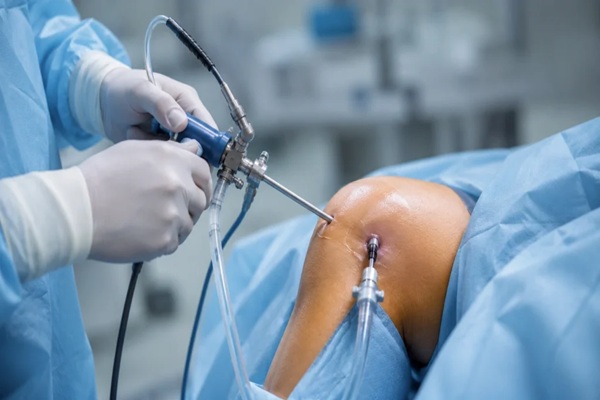
Repair rather than removal wherever the tear allows it.
Partial Knee Replacement
When only one compartment is worn, the rest of the knee is left alone.
First steps
What to try before any operation
These are the measures that help most patients with early arthritis, and they are recommended before surgery is considered.
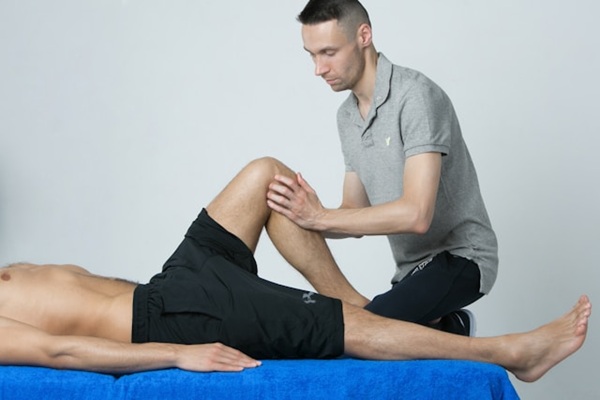
Strengthening exercise and physiotherapy
Weight management and activity changes
Pain relief medicines, as prescribed
Injections, in selected cases
Risks and limitations
Risks, complications and limitations
Preservation buys time and comfort. It is not a cure for arthritis, and that is said plainly at consultation.
Arthritis can still progress
Preservation slows the problem for many patients, but the joint can still wear out in time.
Injections are not a cure
They may ease symptoms for a period. They do not rebuild cartilage.
Recovery after osteotomy takes time
Realignment surgery involves bone healing, so recovery is longer than after keyhole surgery.
Not every joint is suitable
Where wear is advanced, preservation surgery risks disappointment and delay.
Why Dr. Patel
Why patients come for a preservation opinion
Replacement is not automatic
If your joint can be preserved, that is what you will be offered.
Arthroscopy and arthroplasty
Training in both keyhole preservation surgery and joint replacement, so the advice is not limited to one of them.
Fellowship-trained
Arthroplasty training at Chang Gung Memorial Hospital, Taiwan.
Honest advice
Including when surgery isn’t the right answer yet.
Published research
Five peer-reviewed publications in orthopaedics.
Ahmedabad and Gandhinagar
Consulting at Health1 Thaltej, Ahmedabad and SGS Health1 Kudasan, Gandhinagar.
Common questions
Questions patients ask
Still unsure? Bring your questions to the consultation — that is what it is for.
Sometimes. With early or one-sided wear, strengthening, weight management, injections or realignment surgery can delay replacement, occasionally for years.
They help some patients with early arthritis and not others, and the evidence is mixed. They ease symptoms rather than rebuilding cartilage.
An operation that realigns the bone so that body weight passes through the healthier side of the knee instead of the worn side.
No. Many settle with physiotherapy. Surgery is for tears that lock or catch the knee, or that stay painful.
When pain disturbs sleep, limits walking distance and no longer responds to treatment, delaying further rarely helps.
Book a consultation
See Dr. Patel in Ahmedabad or Gandhinagar
A consultation tells you where you stand — including whether you need surgery at all.
AhmedabadHealth1 Super Speciality Hospital, Shilaj Circle, Thaltej
10:00 AM – 12:00 PM & 4:00 – 6:00 PM, by prior appointment
GandhinagarSGS Health1 Hospital, Pramukh Anand Orbit Mall, Kudasan
8:00 – 10:00 AM, by prior appointment
OPD visitsVijapur · Idar · Himmatnagar · Visnagar · Mehsana
AppointmentsBy prior appointment only — call +91 75678 70528 to confirm the day.
How to book
- Call or WhatsApp the clinic.
- Choose Ahmedabad or Gandhinagar, and a time that suits you.
- Bring previous X-rays, reports and a list of your medicines.