In short
No food heals a knee faster. What diet does after surgery is narrower: protein for tissue repair, iron to recover from blood loss, and fibre and fluid to prevent the constipation that pain medication reliably causes.
There is no special diet that makes a knee replacement heal faster, and no supplement worth spending money on for that purpose. What food can do after surgery is more specific: support tissue repair, help replace what was lost during the operation, and prevent the two complications that most often make the first fortnight miserable — constipation and dehydration.
Protein: the one that matters most
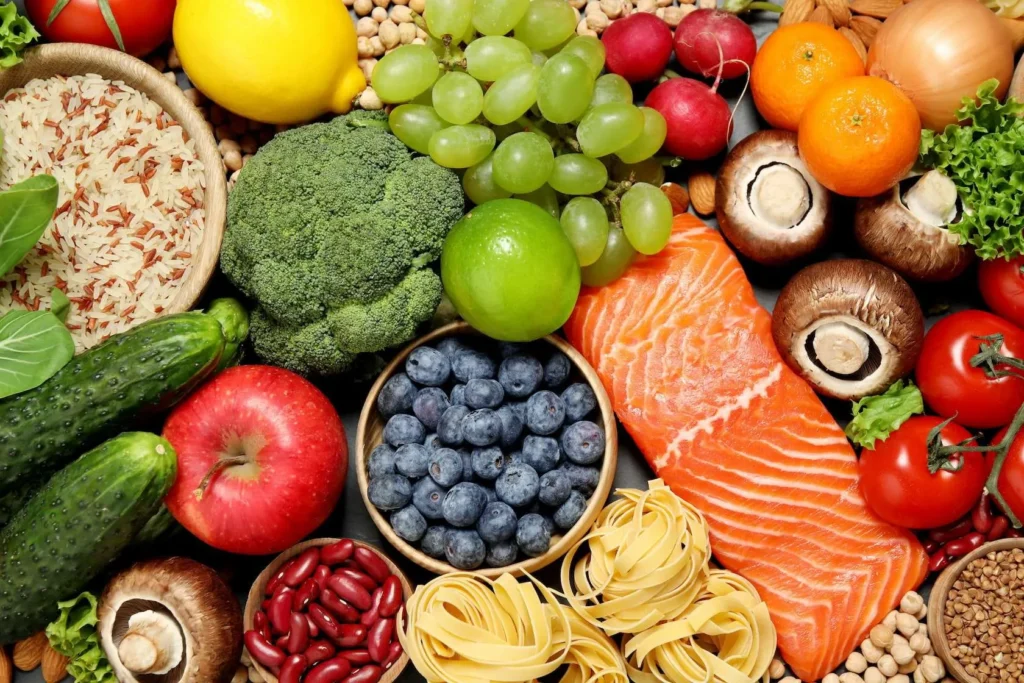
Wound healing and rebuilding the muscle you lose while resting both need protein, and most people eat less of it than usual after surgery because appetite drops. In a vegetarian diet, spread it across the day rather than relying on one meal — dal, rajma, chana, paneer, curd, milk, soya, peanuts and eggs if you eat them. If appetite is poor, smaller and more frequent is easier than three large meals.
Iron
Joint replacement involves some blood loss, and mild anaemia afterwards is common. It typically shows up as tiredness and breathlessness on stairs during the second and third week. Iron-rich foods help: green leafy vegetables, jaggery, dates, ragi, and meat or fish if you eat them. Vitamin C alongside — lemon, amla, citrus, tomato — improves absorption from plant sources. Tea and coffee reduce it, so keep them away from meals.
Fibre and fluid: the urgent pair
Constipation after joint replacement is very common, and largely predictable: pain medication slows the bowel, and you are moving far less than usual. It is easier to prevent than to treat.
- Drink water steadily through the day, not in occasional large amounts.
- Keep fibre up: whole grains, fruit, vegetables, soaked raisins or figs.
- Move as much as your physiotherapy plan allows — walking helps the bowel too.
- If you are on strong painkillers, ask whether a stool softener should be started alongside rather than waiting.
Weight, honestly
Every kilogram is multiplied several times through the knee when you walk. Losing weight will not undo arthritis, but it reduces load on the new joint and on the other knee. The weeks after surgery are a poor time for aggressive dieting — you need the protein and calories to heal. It is a good time to plan for afterwards.
Constipation after joint replacement is very common and largely predictable. It is much easier to prevent than to treat.
What to be careful with
If you are on a blood thinner after surgery, do not make sudden large changes to how much green leafy vegetable you eat, and check before starting any supplement — several interact. Alcohol interacts with pain medication and is best left alone in the early weeks. Diabetes needs tighter control than usual while a wound is healing, so keep monitoring closer than you normally would.
This article is general information, not medical advice. Every case differs — please discuss your own situation in consultation.